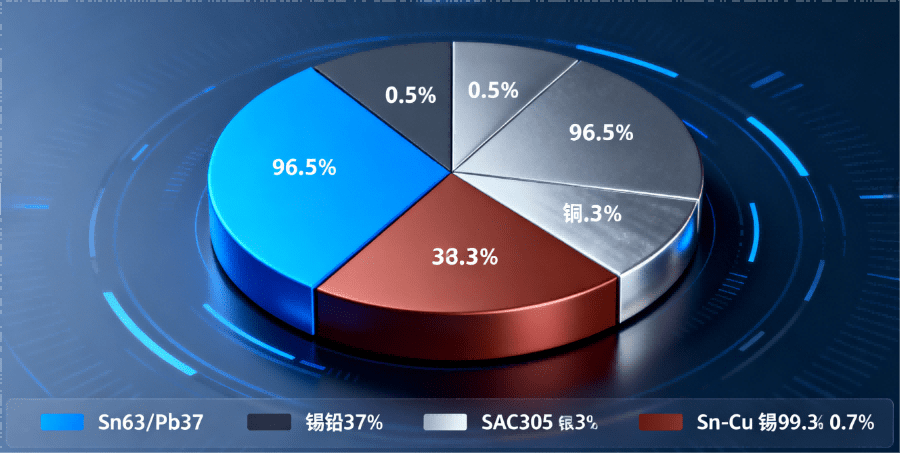
Leaded Solder vs Lead-Free Solder: What They Are & 6 Practical Ways to Distinguish Them
Learn the difference between leaded solder and lead-free solder material, including their compositio

A circuit card assembly (CCA), also known as circuit card assemblies in plural form, is a fully assembled printed circuit board populated with electronic components such as resistors, capacitors, ICs, and connectors. This guide is maintained by the HCJMPCBA engineering team and updated with production checklists to ensure high-reliability manufacturing aligned with IPC-A-610 and IPC-J-STD-001 standards.
Unlike a bare PCB, a CCA represents a functional electronic unit ready for integration into end products such as industrial controllers, medical devices, and automotive systems.
The distinction is subtle but important:
A PCB is the physical substrate, while a circuit card assembly is the working system.
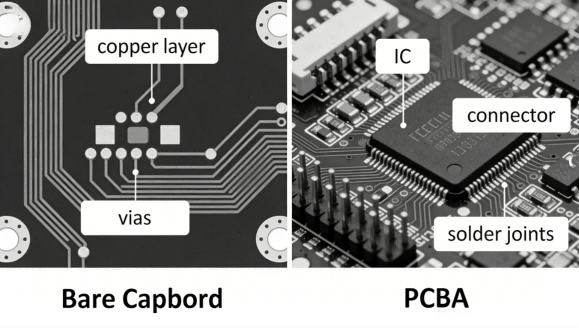
Difference Between Bare Pcb And Circuit Card Assembly Hcjmpcba
| Parameter | Standard Commercial CCA | HCJMPCBA High-Reliability CCA |
|---|---|---|
| Inspection Standard | IPC Class 2 | IPC Class 3 |
| Data Control | Basic logs | Method Number + Revision |
| Component Verification | Visual | X-Ray + Raw Data |
| Traceability | Batch level | Lot/Batch/Serial |
| Test Conditions | Ambient | Controlled + Stress Testing |
The process begins with stencil printing. At HCJMPCBA, stencil thickness and paste type are locked under a Method Number, ensuring consistency across batches.
Automated SMT machines place thousands of components per hour. Precision directly impacts yield in circuit card assemblies.
The board passes through a controlled temperature profile. Each circuit card assembly uses a defined reflow curve tied to a Method Revision.
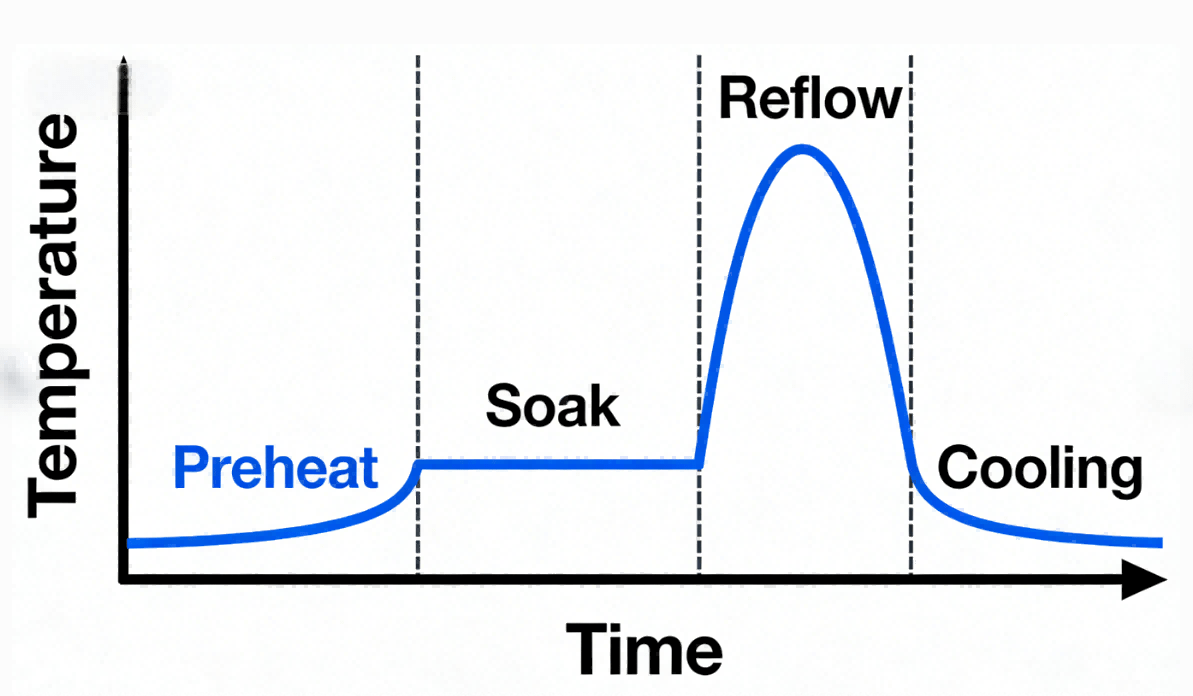
Hcjmpcba Reflow Soldering Profile For Circuit Card Assembly Process
Automated Optical Inspection identifies solder defects. Every defect record is stored as raw data for traceability.
Used for connectors and high-strength components in circuit card assemblies.
Three primary methods:
Each method validates different aspects of the board.
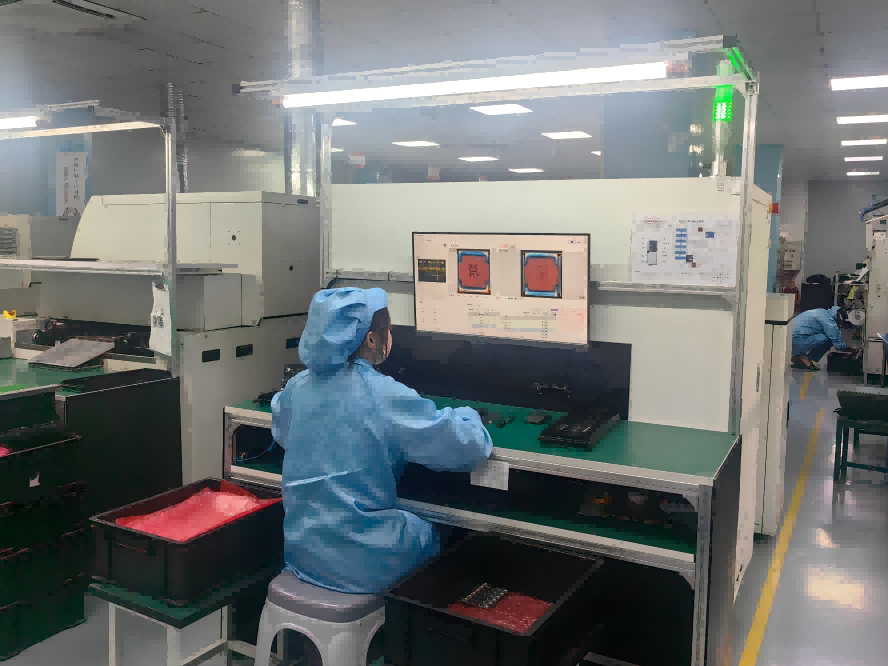
Pcb Testing Equipment Aoi X Ray Circuit Card Assembly Hcjmpcba
Each project is assigned a unique Method Number:
We apply ANSI/ASQ Z1.4 sampling standards:
Testing is conducted under controlled environments:
Each circuit card assembly is traceable to:
| Evidence | Purpose | HCJMPCBA Standard |
|---|---|---|
| AOI Report | Solder verification | 100% coverage |
| X-Ray Images | BGA inspection | 3D imaging |
| Test Logs | Functional validation | Raw data provided |
| Traceability Report | Risk tracking | Full serial tracking |
A customer previously experienced a 5% failure rate due to capacitor defects.
After switching to HCJMPCBA:

Pcba Traceability Report Sample Hcjmpcba
The supplier shall manufacture all circuit card assemblies in compliance with IPC-J-STD-001. Each production batch must be controlled under a documented Method Number + Revision. Full raw data and traceability (lot/batch/serial) must be provided for every shipment.
1. What does CCA stand for?
CCA stands for Circuit Card Assembly.
2. What is the difference between PCB and CCA?
PCB is the bare board, while a CCA is fully assembled and functional.
3. What are common circuit card assembly testing methods?
ICT, Flying Probe, and Functional Testing.
4. How do you ensure traceability?
Through lot, batch, and serial-level tracking systems.
5. Can HCJMPCBA handle complex assemblies like BGA?
Yes, with X-ray inspection and controlled process methods.
6. What is the typical lead time?
7–15 working days depending on complexity.
A circuit card assembly is not just a manufacturing output—it is a reliability commitment. The difference between failure and success lies in process discipline, testing rigor, and data transparency.
At HCJMPCBA, we treat every board as a traceable, verifiable engineering system—ensuring that your product performs flawlessly in real-world conditions.
For more information about PCBA services, please contact Guangzhou Huachuang Precision Technology(HCJMPCBA).
Update triggers: standard revision changes / recurring questions / production checklist updates.
Learn the difference between leaded solder and lead-free solder material, including their compositio
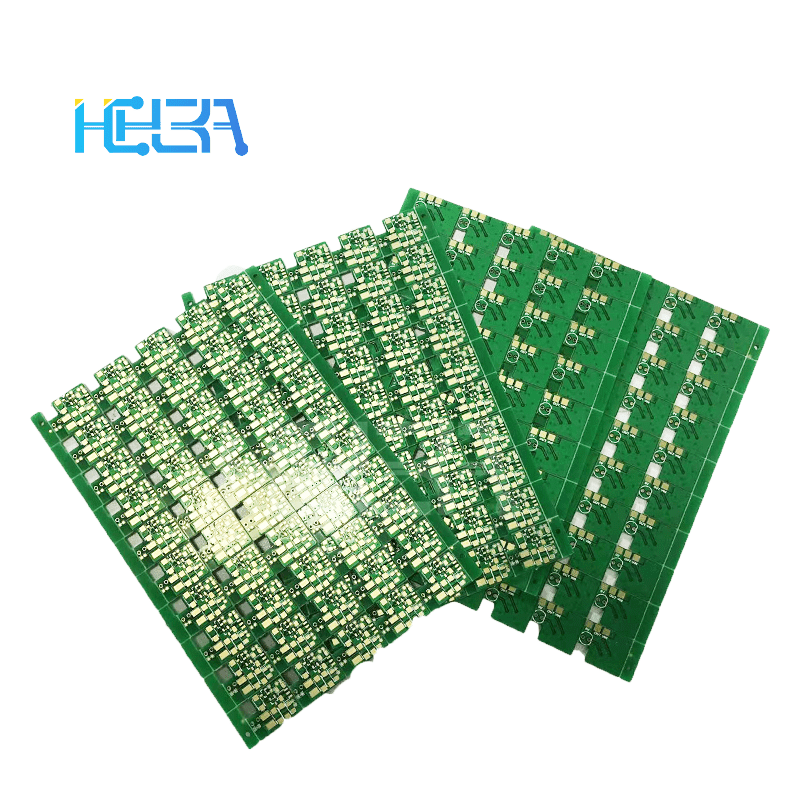
Discover the 7 powerful strategies to evaluate and select the best Automotive PCB Fabrication & Asse
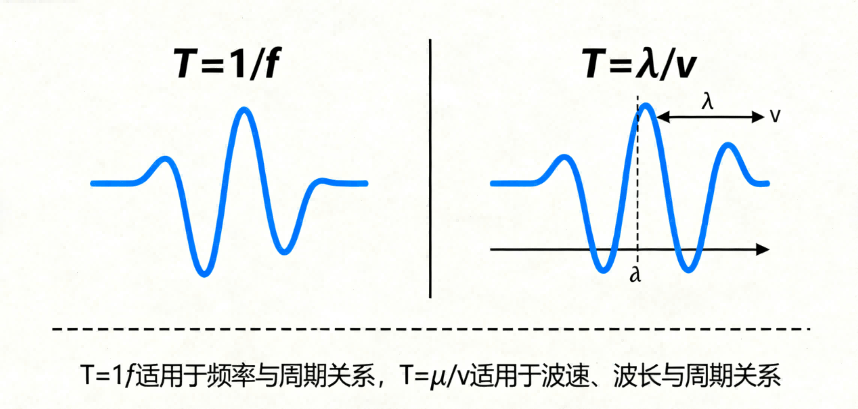
A quick, clear explanation of the period formula in wave systems, showing how to calculate a wave’