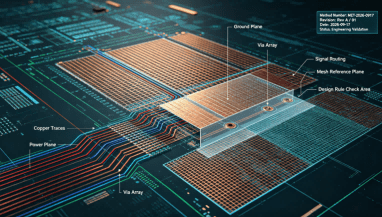
PCB Layout Design: 9 Critical Best Practices for High‑Reliability PCBs
Learn what pcb layout design means, why it’s critical for performance and manufacturability, and h

| Feature | Technical Standard |
| Supported Devices | IPL, Microcurrent, Red Light, Ice Cooling Devices |
| PCBA Type | Rigid, Flexible (FPC), Rigid-Flex |
| Safety Protection | Over-current Limiting, Thermal Shutdown, ESD Protection |
| Testing Standards | 100% AOI, Functional Circuit Test (FCT), X-Ray |
| Certification Support | ISO 9001, CE, RoHS, UL Compliance |
The beauty electronics market has evolved rapidly from simple vibrating tools to intelligent systems that combine skincare science, embedded electronics, and ergonomic industrial design. Today’s consumers expect one device to deliver multiple functions such as lifting, hair removal, skin rejuvenation, eye care, and cooling comfort.
At the center of this transformation is Smart Beauty Device PCBA — the electronic control platform that manages power, sensors, LED output, microcurrent stimulation, thermal control, battery charging, and user interaction.
Modern products such as an IPL device, hair removal device, microcurrent device for face, red light therapy devices for eyes, and face lift devices home all depend on a highly reliable PCB assembly. Without a stable and well-designed PCBA, even premium industrial design cannot deliver safe or repeatable results.
For brands entering this market, understanding beauty electronics technology and selecting the right manufacturing partner are now strategic decisions.
A microcurrent facial toning device uses extremely low-level electrical stimulation to activate facial muscles and improve the appearance of skin firmness.
The PCB assembly must precisely generate current in the microamp to milliamp range. This requires:
In simple terms, the user should feel gentle stimulation—not discomfort. That experience depends on accurate electronic design.
Examples include:
If current fluctuates due to poor PCB layout or unstable components, treatment consistency drops and safety risk increases. High-end beauty brands therefore require tight tolerance components and validated firmware logic.
Red light therapy is widely used for skin renewal, soothing care, and anti-aging routines. Products such as masks, eye devices, and handheld tools rely on LED arrays controlled by advanced electronics.
For example, red light therapy devices for eyes need stricter brightness limits and safer operating logic than full-face products because the treatment zone is more sensitive.
How We Ensure Safety in Red Light Therapy Devices for Eyes?
When manufacturing PCBA for sensitive areas like the eyes, the core challenge is wavelength consistency and current precision. Our solution integrates high-precision constant current LED drivers to prevent flickering and over-exposure, ensuring the red light therapy devices for eyes remain within the safe bio-optical threshold.
The PCBA must ensure LEDs operate within target ranges through stable drive current and heat control.
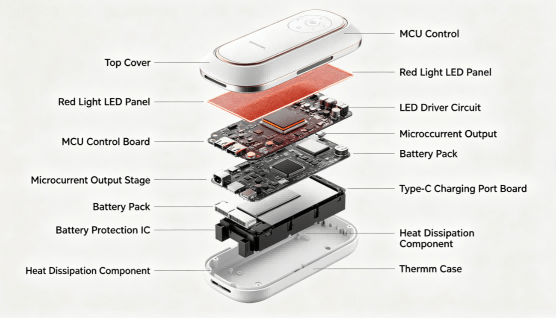
Exploded View Of The Internal Structure Of A Beauty Device
An IPL device or hair removal device uses pulsed light energy to target hair follicles. This is one of the most electronically demanding categories in beauty hardware.
An ice cooling hair removal device adds comfort by lowering skin-surface temperature during pulses. The PCBA often controls:
This requires real-time monitoring and responsive firmware.
Consumers prefer lightweight and elegant devices. Engineers must fit more features into smaller spaces.
Typical solutions include:
This is especially important for handheld facial tools and wearable beauty devices.
Beauty electronics directly contact skin and often operate near the face or eyes. Safety cannot be optional.
For products similar to how close to eye can you use newa device, hardware current limiting and controlled energy delivery are essential parts of the safety architecture.
Daily-use beauty tools face moisture, serum residue, cleaning agents, and repeated handling.
Reliable production should consider:
This is especially valuable for shower-use hair removal tools and rechargeable skincare devices.
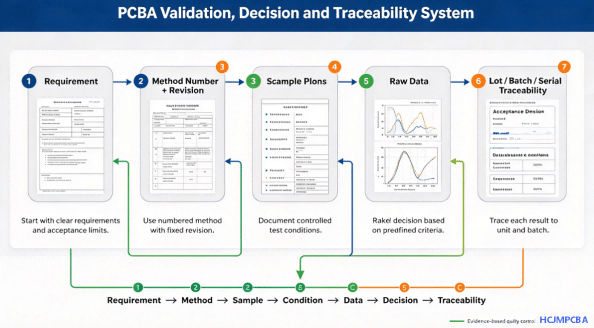
A supplier with industrial or medical-grade discipline usually has stronger process control, documentation systems, and traceability.
That matters because beauty electronics are consumer products—but user expectations are close to healthcare-grade consistency.
Look for:
DFM (Design for Manufacturing) means improving a design before production starts.
A good supplier should help optimize:
This reduces rework, speeds ramp-up, and lowers total project cost.
For premium beauty products, hidden defects are expensive.
Essential inspection tools include:
This is particularly important when building a best at home microcurrent device where user experience depends on stable daily performance.
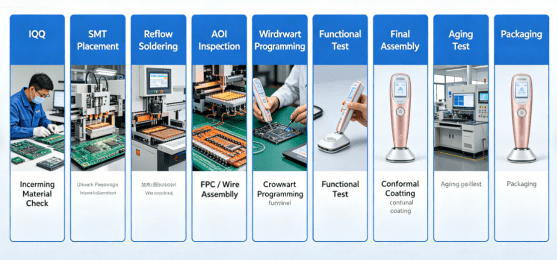
Pcba Production Process For Beauty Devices
Q:Can the PCBA handle multiple wavelengths in a single facial device?
A:Yes. A multi-channel LED driver architecture can independently control different LED groups. Firmware can sequence wavelengths by mode, treatment time, or sensor feedback.
Q:How close to eye can you use NEWA device or similar home-use tools?
A:Distance and safe usage depend on the final certified product design, not only user preference. From a hardware perspective, engineers reduce risk through:
Users should always follow the manufacturer’s approved instructions.
Q:What are the power management requirements for an flare microcurrent facial device?
A:Typical requirements include:
Good power architecture improves both treatment consistency and runtime.
Q: What is the lead time for a prototype microcurrent device for face?
A: Typically, we offer 24-48 hour quick-turn prototyping for microcurrent devices for face once the DFM (Design for Manufacturing) check is completed.
Q: Can you handle the PCBA for an ice cooling hair removal device?
A: Yes, we specialize in power management for ice cooling hair removal devices, integrating NTC thermistors and Peltier cooling control circuits to ensure stable temperature management.
Q: How close to eye can you use NEWA device or similar home-use tools?
A: Safety is paramount. While our PCBA ensures stable current for tools like the NEWA device, users must strictly follow the manufacturer’s guidance regarding orbital bone boundaries to prevent ocular damage.
For beauty brands moving from concept to production, execution speed and consistency matter as much as design creativity.
HCJMPCBA supports projects through:
Whether the product is a red light mask, smart wearable skincare tool, or advanced hair removal device, a disciplined PCBA process reduces launch risk.
| Device Type | Voltage | Control Method | Temperature Control | Key PCBA Challenge |
|---|---|---|---|---|
| IPL Device | High Voltage | Pulse Trigger | Yes | Capacitor Discharge |
| Microcurrent Device | Low Current | Constant Current | Optional | Signal Stability |
| Red Light Mask | Low Voltage | LED Driver | Yes | Heat Uniformity |
| Ice Cooling Hair Removal Device | Mixed Power | Dual Control | Critical | Thermal Balance |
The future of beauty electronics will combine sensors, personalization, wireless connectivity, and safer energy-based treatments. Behind every successful launch is a robust electronic foundation.
A high-quality Smart Beauty Device PCBA is not just a circuit board—it is the system that determines performance, reliability, safety, and customer trust.
For brands building the next generation of facial device, IPL device, or wearable beauty technology, choosing the right PCBA partner is one of the most important product decisions.
Check our specialized Prototype PCB Assembly services for faster beauty tech development.
Learn what pcb layout design means, why it’s critical for performance and manufacturability, and h
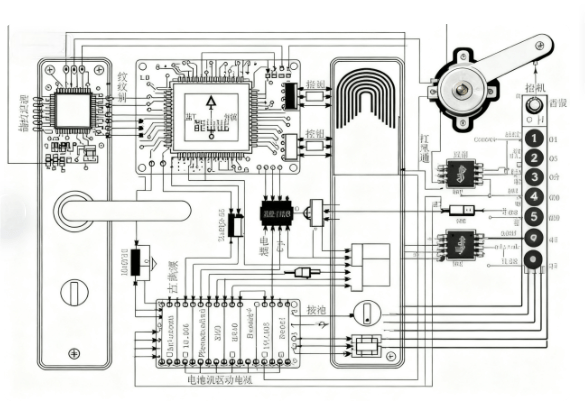
Discover what a circuit diagram is and how to read or design a clear pcb schematic step-by-step. Und
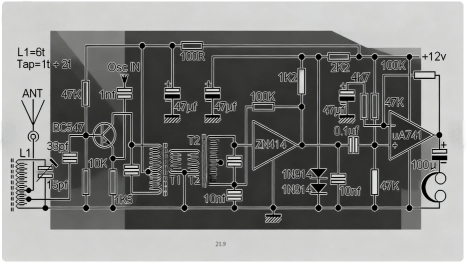
A wiring diagramt (also known as an electrical schematic) shows how electrical components and connec