What is Industrial PCB Production? 7 Critical Stages in the PCB Manufacturing Process
Explore the comprehensive guide to industrial pcb production and the professional pcb manufacturing

Modern motorcycles contain multiple circuit board systems rather than a single PCB. Common motorcycle electronics include engine control units (ECUs), dashboard modules, ABS controllers, lighting control boards, battery management systems (BMS), and connectivity modules. These electronic PCB systems must withstand vibration, moisture, temperature extremes, electromagnetic interference (EMI), and long service life requirements. This guide is maintained by the HCJMPCBA engineering team and updated with production checklists.
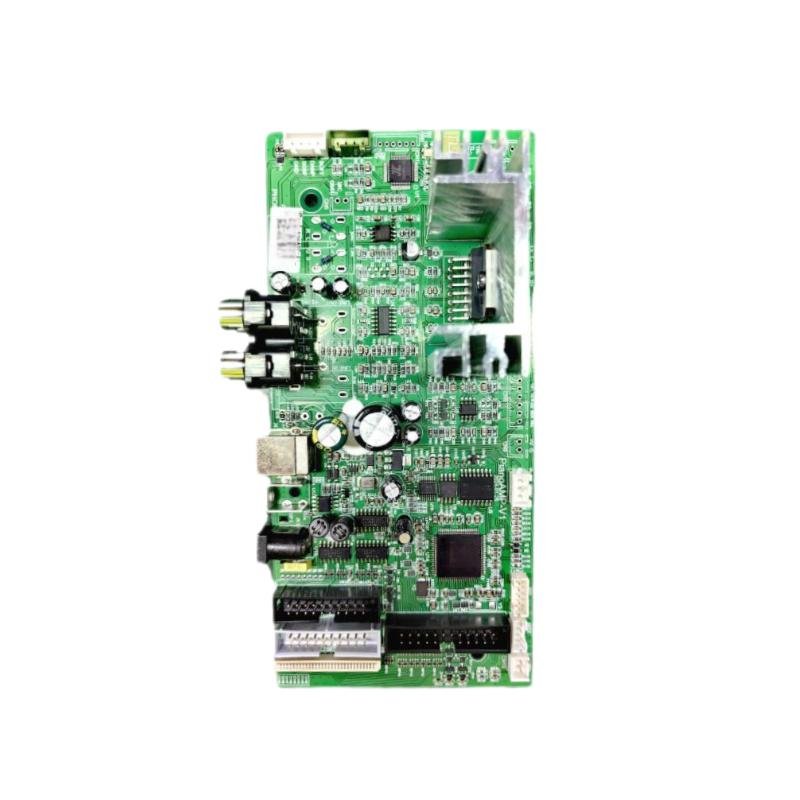
A PCB, or Printed Circuit Board, is the mechanical and electrical platform that connects electronic components through conductive copper traces.
When discussing motorcycles, the term “electronic circuit board” refers to far more than a simple wiring replacement. Today’s motorcycles integrate sophisticated electronic systems for engine management, rider safety, energy control, communication, and diagnostics.
Whether someone asks “what is PCB in electronics,” “what’s a PCB board,” or “what does a PCB board do,” the answer is straightforward:
A PCB enables sensors, processors, communication modules, and power devices to operate as a reliable system.
The ECU is the central processing unit of modern motorcycles.
Its responsibilities include:
Motorcycle ECU boards typically integrate:
These boards operate under extreme conditions, often from -40°C to +125°C or higher. Under-engine applications may experience temperatures approaching +150°C.
Digital dashboards have evolved from simple speedometers into intelligent human-machine interfaces.
Typical functions include:
These circuit board types often require:
Anti-lock braking systems and traction control modules continuously process wheel speed data to improve rider safety.
Key requirements include:
Because these modules affect rider safety, they require stringent manufacturing controls and validation procedures.
Modern motorcycles increasingly use LED-based lighting systems.
Common applications include:
Lighting boards must manage:
Electric motorcycles rely heavily on BMS technology.
These PCBs monitor:
The Vehicle Control Unit (VCU) communicates closely with the BMS to optimize performance and battery life.
Connected motorcycles increasingly incorporate:
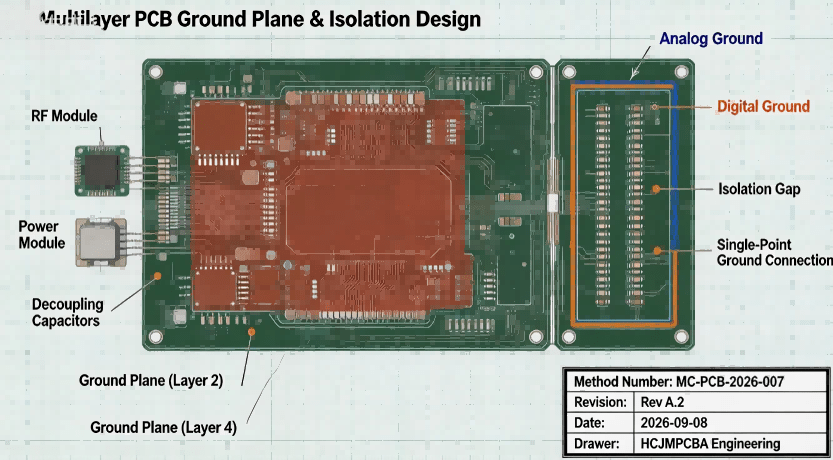
These modules require robust RF design, impedance control, and EMC optimization.
Additional motorcycle PCB applications include:
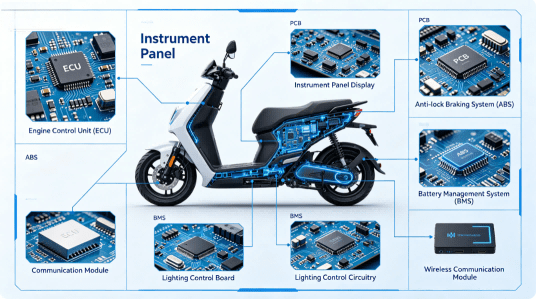
Modern Motorcycle Electronics Architecture
Motorcycle electronics face unique environmental stresses:
| Environmental Challenge | Typical Condition | Design Impact |
|---|---|---|
| Vibration | Continuous | Reinforced solder joints |
| Temperature cycling | -40°C to +125°C | High-Tg materials |
| Moisture | Rain and condensation | Conformal coating |
| EMI | Ignition noise | EMC optimization |
| Chemical exposure | Fuel and oil vapor | Material compatibility |
Unlike standard consumer products, motorcycle electronics must remain reliable for years under dynamic operating conditions.
| Requirement | Recommended Solution | Typical Application |
| High vibration | Thick copper, reinforced connectors | ECU |
| Compact size | HDI PCB | Dashboard |
| High current | Heavy copper PCB | BMS |
| RF communication | Controlled impedance | Telematics |
| High temperature | High-Tg laminate | Engine compartment |
| Waterproof operation | Conformal coating | Lighting modules |
Engineers determine:
Common printed circuit board materials include:
Material selection depends on operating conditions and reliability targets.
Critical layout considerations include:
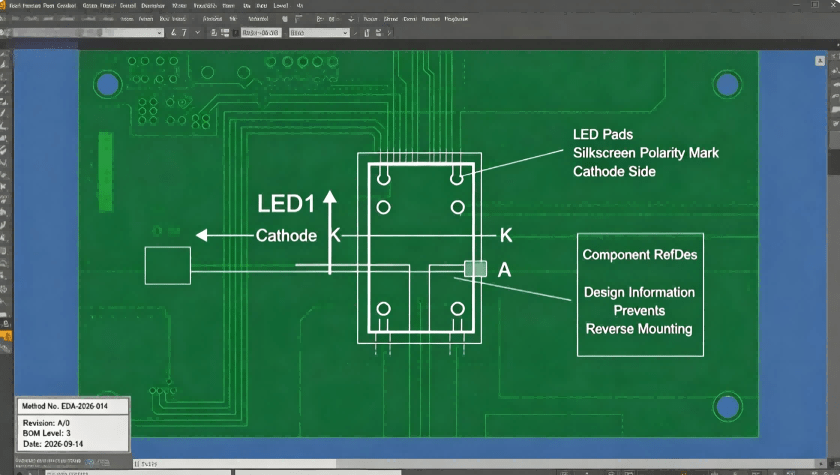
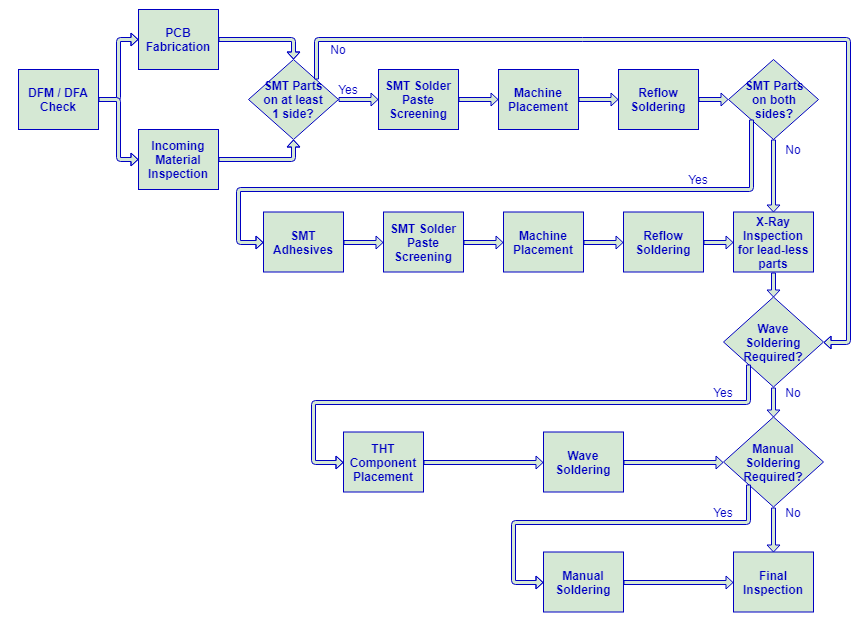
Design for Manufacturing (DFM), Design for Assembly (DFA), and Design for Test (DFT) help reduce production risk.
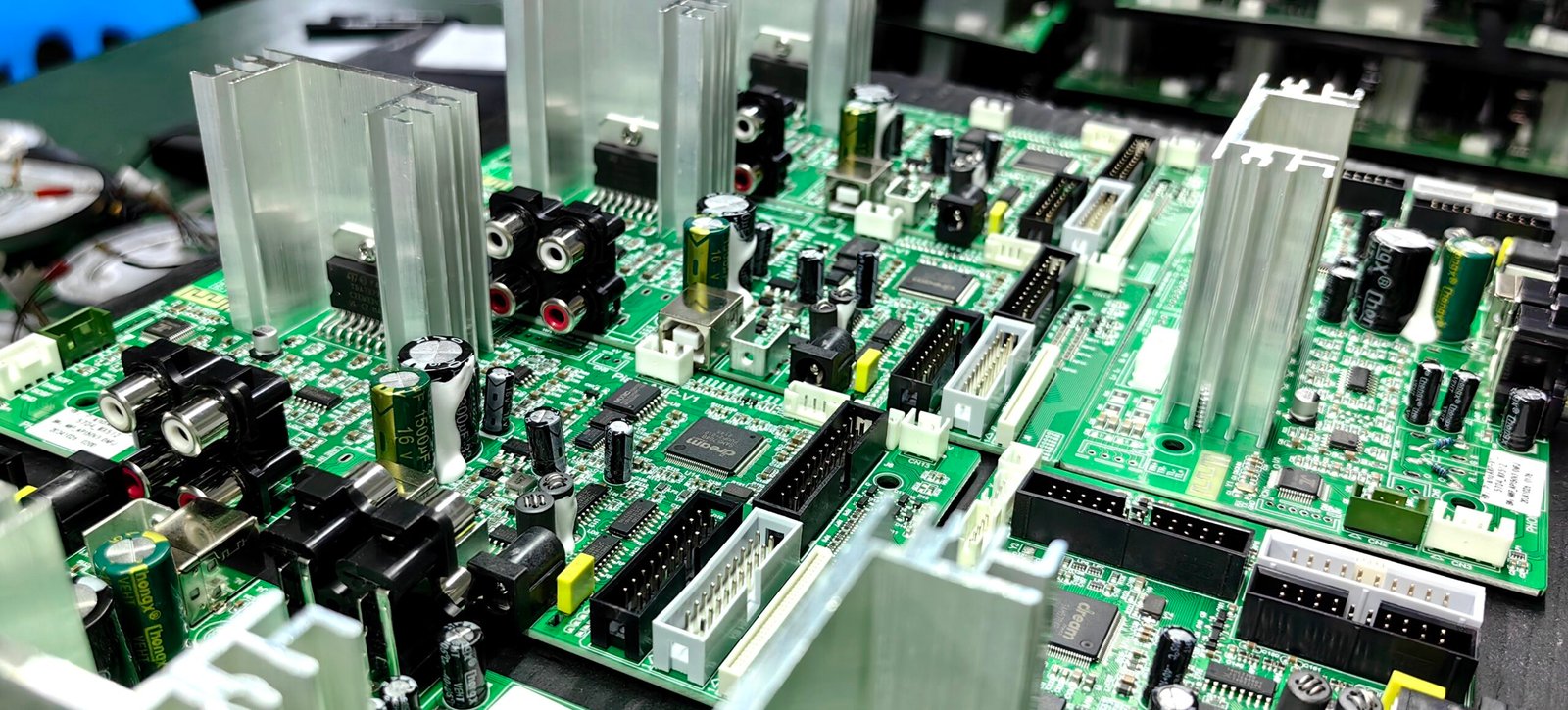
Modern PCBA production commonly includes:
Typical verification tests include:
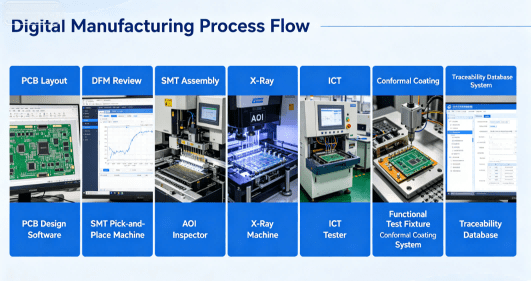
Digital Manufacturing Process Flow
Scaling motorcycle electronics from prototype to volume production requires more than assembly capacity.
Reliable production depends on process control.
Every manufacturing process should maintain:
This ensures consistency across multiple production batches.
Incoming inspection and final verification should follow defined sample plans based on risk level and product criticality.
Typical test conditions include:
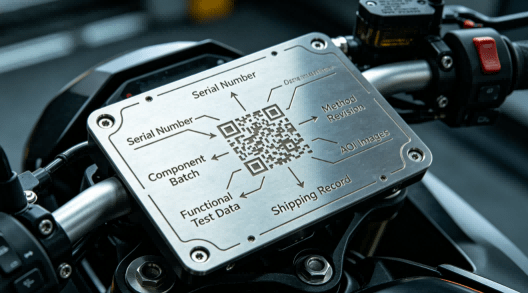
Manufacturing data should be archived and retrievable, including:
Complete traceability enables rapid root cause analysis.
Recommended traceability coverage:
As many engineers have observed, compliance with standards alone does not guarantee reliability. Production data and traceability are equally important for identifying latent failure mechanisms.
| Verification Item | Evidence Required |
| Material compliance | Material certificates |
| PCB quality | IPC-A-600 reports |
| Assembly quality | IPC-A-610 inspection records |
| Soldering process | J-STD-001 compliance |
| Functional performance | FCT reports |
| Traceability | Lot/batch/serial records |
| Reliability | Environmental test reports |
Relevant standards include IPC-2221, IPC-2222, IPC-A-610, IPC-6012, and J-STD-001.
Supplier shall provide complete lot, batch, and serial-level traceability for all assembled products.
Supplier shall maintain documented Method Number and Revision control for all manufacturing processes.
Supplier shall provide raw inspection data, including AOI, X-ray, and functional test records upon request.
Supplier shall comply with applicable IPC standards and maintain archived quality records for a minimum of three years.
An electric motorcycle startup develops a prototype controller that performs well in laboratory testing.
However, field testing reveals intermittent failures after several weeks.
Root cause analysis identifies:
After redesigning the board using automotive-grade materials, optimizing layout, and implementing production traceability, the manufacturer successfully transitions from prototype builds to high-volume production.
This illustrates why motorcycle electronics require an integrated approach that combines design, manufacturing, and validation.
Motorcycle Control Board
What does PCB stand for in motorcycle electronics?
PCB stands for Printed Circuit Board, which provides electrical connections and mechanical support for electronic components.
What types of PCB are used in motorcycles?
Common types of PCB board include rigid PCBs, HDI boards, heavy copper boards, and flexible circuits.
What is a motorcycle ECU PCB?
An ECU PCB is the electronic control unit board responsible for managing engine performance, emissions, and diagnostics.
Are motorcycle PCBs different from consumer electronics boards?
Yes. Motorcycle PCBs require greater resistance to vibration, moisture, temperature extremes, and electromagnetic interference.
What materials are used in motorcycle circuit boards?
Typical printed circuit board materials include FR-4, high-Tg laminates, heavy copper constructions, and polyimide.
Why is traceability important for motorcycle PCBA?
Traceability enables rapid failure analysis, quality control, regulatory compliance, and supply chain transparency.
Which standards apply to motorcycle PCB manufacturing?
Common standards include IPC-2221, IPC-A-610, IPC-6012, J-STD-001, and automotive quality systems such as IATF 16949.
Ask suppliers to provide:
A manufacturer willing to share objective evidence typically presents lower sourcing risk than one relying solely on marketing claims.
The answer to “what kind of circuit boards are found in motorcycles” is increasingly complex as motorcycles become more connected, electrified, and intelligent.
From ECU boards and dashboards to BMS modules and telematics systems, every electronic PCB must survive harsh operating environments while maintaining long-term reliability.
Choosing the right manufacturing partner means evaluating more than production capacity. Process control, traceability, test conditions, revision management, and accessible production data are equally important for successful mass production.
Update triggers: standard revision changes / recurring questions / production checklist updates.
Explore the comprehensive guide to industrial pcb production and the professional pcb manufacturing
Guangzhou Huachuang Precision Technology Co., Ltd. excels in PCBA processing. It starts with order a
Discover what an LED PCB board is and learn how to design and manufacture LED printed circuit boards