10 Compelling Reasons Why Discharging Capacitors Is Non-Negotiable + Expert’s Step-by-Step Guide on How to Discharge a Capacitor Safely
Discharging capacitors is a critical safety and quality control step in electronics and PCBA work. T
What is a Circuit Card Assembly? A Comprehensive Guide to Professional CCA Manufacturing
Table of Contents
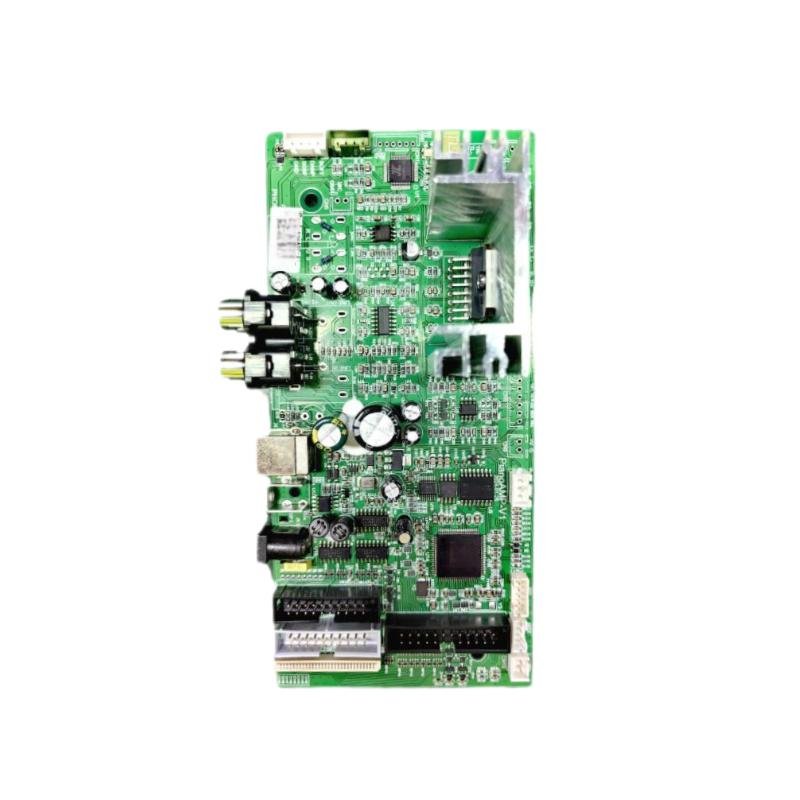
ToggleA Circuit Card Assembly (CCA) refers to a fully functional electronic unit created by soldering electrical components onto a fabricated printed circuit board (PCB). According to IPC-T-50, while “PCBA” is commonly used in commercial sectors, Circuit Card Assembly is the standardized term in high-reliability industries such as aerospace, defense, and industrial automation.
Key Distinction: A bare board is a “Printed Circuit Board,” but once populated with components, it becomes a Circuit Card Assembly (CCA).
To ensure mass-production efficiency, a CCA integrates several critical elements based on IPC-2221 design standards:
Substrate Material: Typically FR-4 (per IPC-4101) or polyimide for high-temperature applications.
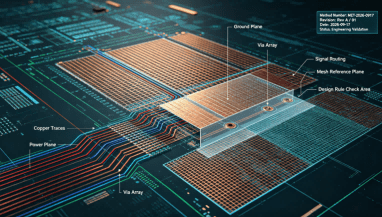
Conductive Traces: Copper layers etched to form electrical pathways.
Electronic Components: Resistors, Capacitors, and Integrated Circuits (ICs) sourced via JEDEC standards.
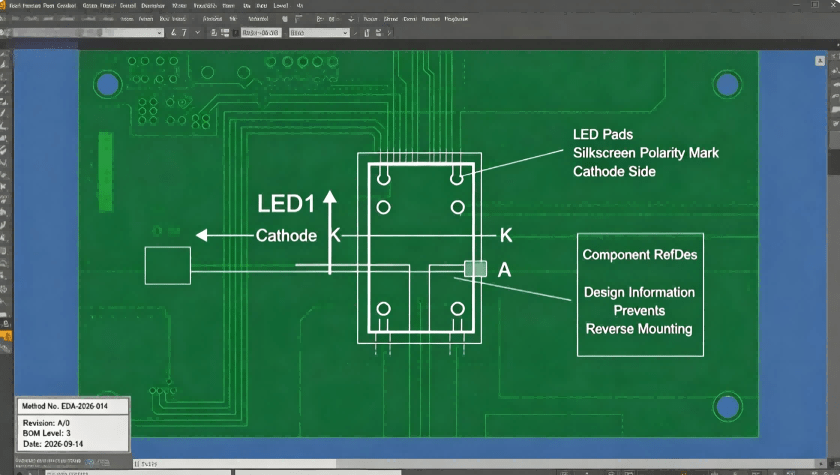
Solder Mask & Silkscreen: Protecting the circuit and providing component designation.
Following the IPC-A-610 acceptability criteria, the assembly of a circuit card follows a rigorous multi-stage workflow:
Solder Paste Printing (3D SPI): Application of lead-free solder paste monitored by 3D Solder Paste Inspection to ensure volume consistency.
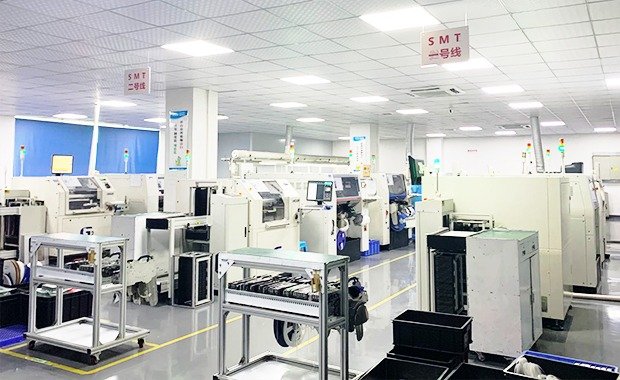
Automated Component Placement (Pick & Place): High-speed SMT machines mount components with micron-level precision.
Reflow Soldering: Utilizing a controlled thermal profile compliant with J-STD-001 to form robust interconnections.
Through-Hole Technology (THT): Manual or Wave soldering for heavy-duty components requiring mechanical strength.
Automated Optical Inspection (AOI): Scanning for polarity, placement, and solder bridge defects.
X-Ray Inspection (AXI): Essential for BGA and QFN packages where solder joints are hidden from view.
Conformal Coating: Applying a protective film (per IPC-CC-830) for cards used in harsh environments.
Functional Testing (FCT): Verification of the circuit card assembly’s performance against its design specifications.
Circuit Card Assemblies are categorized by IPC-A-610 into three classes based on reliability requirements:
| Class | Application | Reliability Level |
| Class 1 | Consumer Electronics | General functional requirements. |
| Class 2 | Dedicated Service Electronics | Extended life and uninterrupted service. |
| Class 3 | High-Performance/Aerospace | Critical for life-support or defense systems. |
Even with advanced SMT lines, engineers must address:
Thermal Management: Managing heat dissipation for high-power ICs via thermal vias.
Signal Integrity: Minimizing EMI/RFI in high-frequency circuit card assemblies.
DFM (Design for Manufacturing): Optimizing layout to reduce assembly complexity and cost.
What is the difference between PCB and CCA? A PCB is the unpopulated board; a CCA is the finished assembly with all components attached.
What does CCA stand for in electronics? It stands for Circuit Card Assembly.
How to ensure the quality of a Circuit Card Assembly? By adhering to IPC-A-610 standards and performing rigorous 3D SPI and AOI inspections.
Discharging capacitors is a critical safety and quality control step in electronics and PCBA work. T
Specialized Medical PCBA Manufacturing at HCJMPCBA. Certified ISO 13485:2016 & IPC Class 3 compliant
Explore the comprehensive guide to industrial pcb production and the professional pcb manufacturing